


Canadian families are quietly spending thousands on everyday purchases without realizing what they’re leaving on the table. The average household spends $3,169 monthly on categories that earn rewards—groceries, gas, restaurants, and utilities. That’s nearly $38,000 annually just waiting to work harder for you.
Most families treat rewards as an afterthought, occasionally noticing a bonus or small redemption. But here’s what many don’t realize: the gap between a mediocre rewards strategy and an optimized one can easily reach $1,500 to $2,000 annually. For a family of four, that’s equivalent to a full vacation, emergency fund contributions, or meaningful debt reduction.
The first step toward reclaiming this money is simple awareness. Track where your $38,000 annual spending actually goes. Which purchases are recurring? Which categories dominate your expenses? This audit reveals whether your current card structure actually matches your real-world spending patterns.
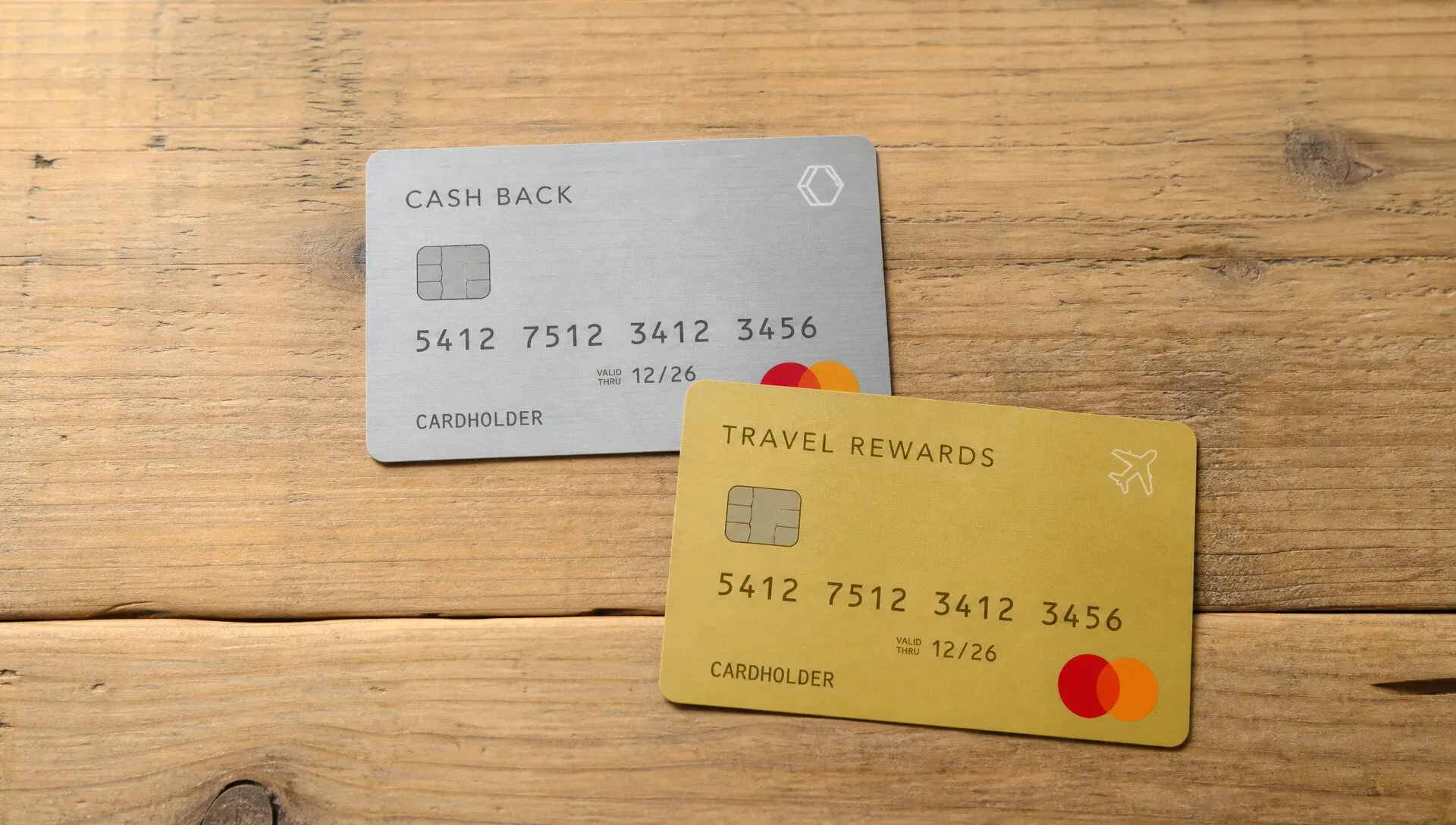
Cash Back vs. Travel Rewards: Why the Choice Matters
Two fundamentally different philosophies govern how reward credit cards function, and understanding the distinction directly affects your wallet.
Cash back operates with elegant simplicity: you spend money, earn a percentage back, and receive that value as currency. One percent cash back means one percent, guaranteed—no conversion rates to decipher, no airline partnerships to navigate, no blackout dates to navigate around.
Travel rewards multiply value through sophisticated point systems. A single dollar spent might generate points that, when redeemed strategically, could equate to two, three, or even four cents of value. The potential upside is dramatically higher, but so is the complexity.
Here’s the critical insight: cash back and travel rewards aren’t equally valuable for every family. A household that takes one weekend trip annually will see different returns than a family that explores new destinations twice yearly. Your geographic location, vacation preferences, and spending patterns all factor into which approach works best for you.
One important caveat: point valuations aren’t static. In 2026, significant shifts occurred across major loyalty programs—American Airlines, Alaska Airlines, and Southwest Airlines miles all increased in value, while Marriott Bonvoy points experienced devaluation. This means that travel rewards strategies require periodic reassessment.

Why Your Vacation Budget Becomes Your Biggest Rewards Opportunity
Travel is where most families’ reward potential concentrates dramatically. Canadian families spend approximately $6,750 annually on vacations—airfare, hotels, rental cars, meals, activities. This single category is where rewards cards generate their most impressive returns.
Consider the mechanics: everyday spending across all categories earns points at a baseline rate. That money was going to get spent anyway on groceries, gas, restaurants, utilities. But when funneled through the right rewards card, it generates points that accumulate throughout the year, then concentrate their power when applied to travel redemptions.
For vacation-loving families, this transforms the economics of travel. A $3,000 flight becomes $1,500. A $200 hotel night drops to $130. Suddenly, you can take more frequent trips, upgrade your accommodations, or redirect vacation savings elsewhere.
This is where travel rewards cards move beyond convenience into genuine wealth-building territory. The compounding effect of capturing rewards on everyday spending while also using those rewards for vacation purchases creates a powerful cycle that cash back simply cannot replicate.

The Flexibility Factor: Why Some Families Choose Simplicity
Not every family wants to optimize, and that’s perfectly valid. Not every household has the bandwidth to track point valuations, airline partnerships, and redemption deadlines.
Cash back cards address this directly. They generate approximately $505 to $713 annually depending on your spending, with numbers fixed, predictable, and requiring zero strategic thinking. No blackout dates ever prevent redemption. No point valuations fluctuate based on airline partnerships. You earn, you access, you spend.
Consider a household with two working parents managing children’s schedules, home maintenance, and financial obligations. The thirty minutes required to understand travel rewards redemption strategy, track point balances, and research optimal redemption dates represents real opportunity cost. For these families, the guaranteed $600+ annually from a cash back card delivers genuine value without mental friction.
Simplicity isn’t laziness—it’s respecting your own time and attention. Some families build wealth through optimization; others build it through removing decision fatigue from routine financial operations. Both approaches work, and choosing the simpler path is a legitimate financial strategy.

Beyond Points: The Hidden Perks That Add Real Value
Travel rewards cards bundle value far beyond base point earnings—benefits that most cardholders never fully activate. This hidden layer often exceeds the point earnings themselves.
Travel insurance represents one significant component. Premium travel rewards cards include comprehensive coverage for trip cancellations, medical emergencies abroad, lost luggage, and flight delays. For a family of four taking one international trip annually, this insurance alone could be worth $200 to $400 if purchased separately.
Hotel and rental car benefits follow similar patterns: room upgrades, late checkout, and complimentary services. Many cards also offer concierge support for restaurant reservations, event tickets, and travel planning.
Lounge access at airports—increasingly common on premium cards—transforms travel experiences. Comfortable seating, complimentary food and beverages, and quieter spaces for working during layovers accumulate meaningful value across multiple trips. A family accessing lounge benefits quarterly might experience several thousand dollars’ worth of cumulative advantage annually.
Cash back cards intentionally exclude these perks, keeping product structures lean and value straightforward. For families who rarely travel or prioritize simplicity, this trade-off makes perfect sense. For frequent travelers, these bundled perks often determine whether a travel rewards card truly outperforms cash back.

Your Personalized Rewards Strategy Starts Here
Choosing between cash back and travel rewards requires honest reflection on how your family actually lives—not how you wish you lived.
Choose travel rewards if: you take multiple vacations annually, plan trips strategically, and benefit from travel insurance and hotel perks. If vacations represent a consistent portion of your annual budget and you travel confidently, travel rewards offer potential value exceeding $2,000 yearly. The complexity becomes justified by the financial returns.
Choose cash back if: you prioritize straightforwardness, flexibility, and predictability. If vacation spending fluctuates unpredictably, if you prefer redemption options beyond travel, or if time spent optimizing rewards feels like friction rather than benefit, the guaranteed $600+ annually from cash back provides genuine value.
Your spending patterns matter. Geographic location influences vacation costs. Household size affects travel frequency. Income level shapes both spending and reward accessibility. There’s no universal answer because no two families manage money identically.
Start by calculating your actual annual spending in rewarded categories and estimating your realistic vacation budget. Consider how much time you’d genuinely invest in point optimization. Remember that loyalty program valuations shift periodically—what works today may need adjustment as airline miles and hotel points fluctuate in value. The winning choice isn’t the card with the highest theoretical rewards—it’s the card that aligns with your authentic lifestyle, generating actual value you’ll genuinely capture and use.
